Perspective · Digital Citizenship
The same skills that open careers in technology also determine how well a society withstands misinformation and cyber threats. For Pakistan’s young majority, digital competence is now both a personal opportunity and a civic responsibility.
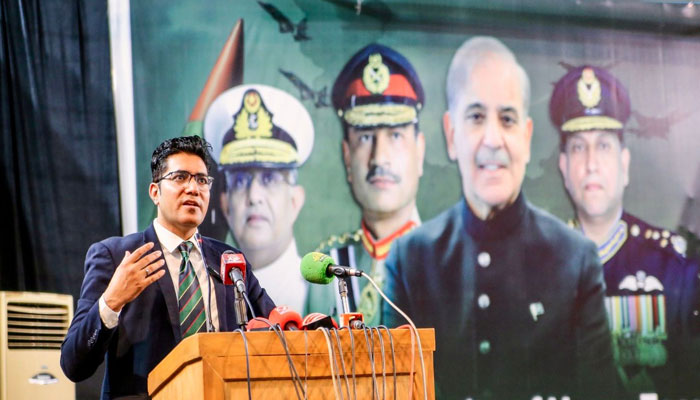
In May 2026 I spoke as guest of honour and keynote speaker at Marka-e-Haq: Youth for National Unity & Responsibility, a Prime Minister’s Youth Programme seminar at the University of Home Economics Lahore, reported by The Destination. Academics, students and members of civil society took part, alongside speakers including Sajid Habib, Ghazanfar Ali Syed and Salman Ghani. My message to the students was direct: “modern warfare is no longer limited to conventional battlefields.” Cyber security, artificial intelligence, digital media and information itself have become arenas of competition.
Key points
- Event: Marka-e-Haq: Youth for National Unity & Responsibility, organised by the Prime Minister’s Youth Programme
- Venue: University of Home Economics, Lahore
- Role: Rizwan Anwar, guest of honour and keynote speaker
- Message: innovation, entrepreneurship and advanced digital skills, and responsible conduct online
- Reported by: The Destination, 9 May 2026
Two sides of the same skill set
We usually discuss digital skills as a route to employment, and rightly so. Software development, data analysis, digital marketing and cyber security are among the fastest routes into well-paid work for young Pakistanis, at home or through online freelancing. But the same competences have a second, civic dimension. A young person who can verify a source, recognise manipulated content and secure their accounts is harder to mislead and harder to exploit. Multiplied across millions of users, that becomes a form of national resilience.
Three priorities for young people
- Build advanced, marketable skills. I urged students to pursue innovation, entrepreneurship and advanced digital skills. Free and subsidised routes exist, including NAVTTC’s courses under the Prime Minister’s Youth Skills Development Programme.
- Practise information discipline. Check before sharing, prefer original sources, and be sceptical of content designed to provoke anger. I commended the efforts many young people already make to counter fake news and engage responsibly online.
- Use digital platforms to contribute, not only to consume. Young people who create, whether content, code or businesses, shape the national narrative rather than merely react to it.
The role of institutions
Responsibility cannot rest on young people alone. Universities can embed digital literacy and media literacy across disciplines, not only in computer science. Training programmes can pair technical skills with the ethics of using them. And youth programmes can create platforms where young people’s energy is channelled into leadership and service. I acknowledged Prime Minister Shehbaz Sharif’s emphasis on youth empowerment, education, technology and economic growth, and the work of PMYP Chairman Rana Mashhood Ahmad Khan in making the Programme an active platform for leadership development and national integration.
Conclusion
Pakistan’s unity, confidence and resilience increasingly depend on what happens online. The young people in that seminar hall in Lahore are the country’s first line of defence against misinformation and its best hope for a competitive digital economy. Equipping them with both the skills and the judgement to use technology well is one of the most valuable investments the country can make.
Sources
- The Destination, Rizwan Anwar urges youth toward technology and national progress, 9 May 2026.
Comments are closed