Youth Diplomacy · United Kingdom
Young people of Pakistani heritage abroad bring skills, networks and capital that few national programmes can match. A youth engagement session in London asked a practical question: how can that goodwill become lasting partnership?
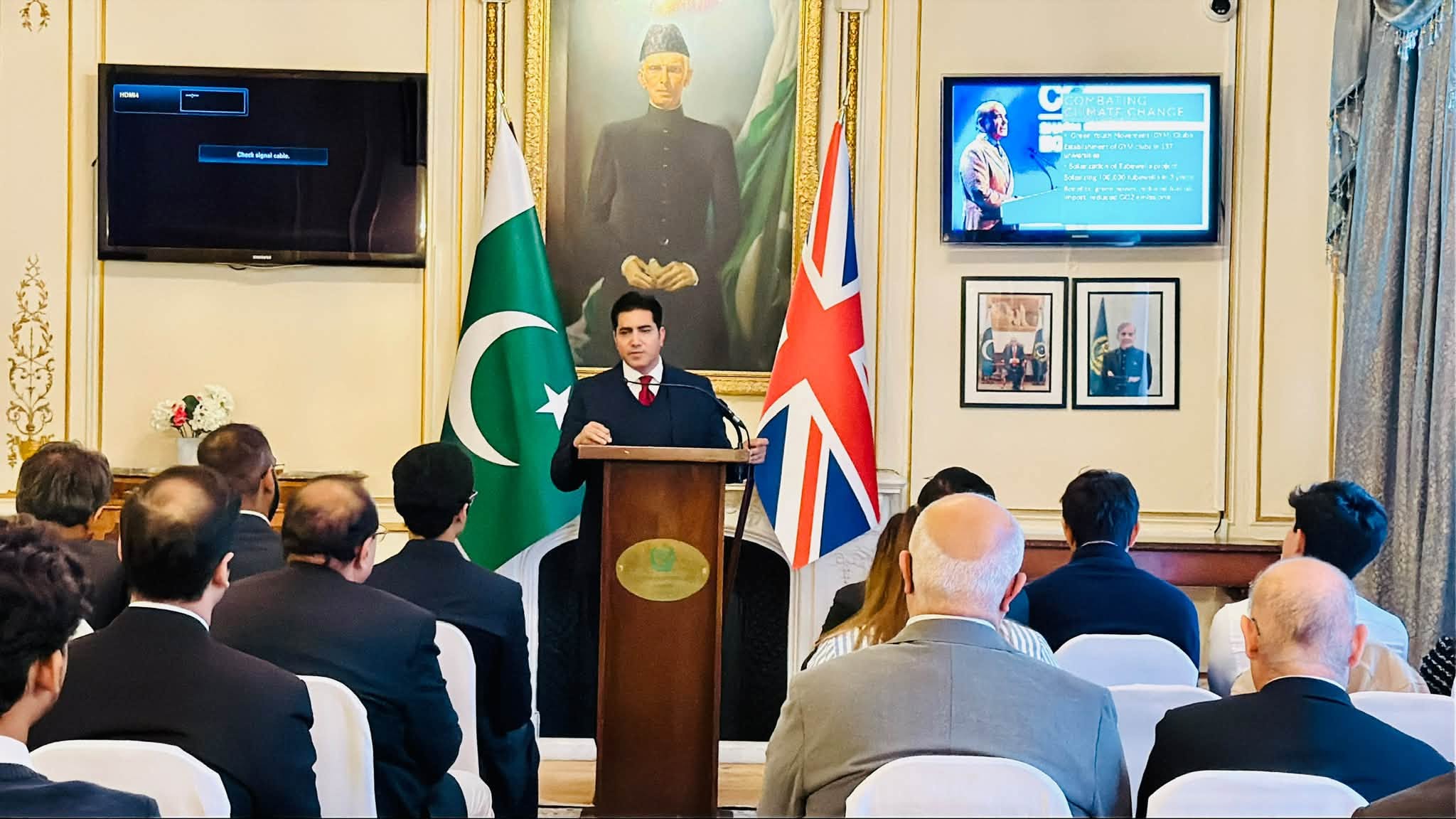
Around 1.6 million people in England and Wales identified as Pakistani in the 2021 Census, one of the largest Pakistani communities anywhere outside Pakistan. Its younger members study at leading universities, work in finance, medicine, technology and the creative industries, and retain strong ties to the country of their parents and grandparents. Yet for most of them, Pakistan’s youth programmes remain unfamiliar.
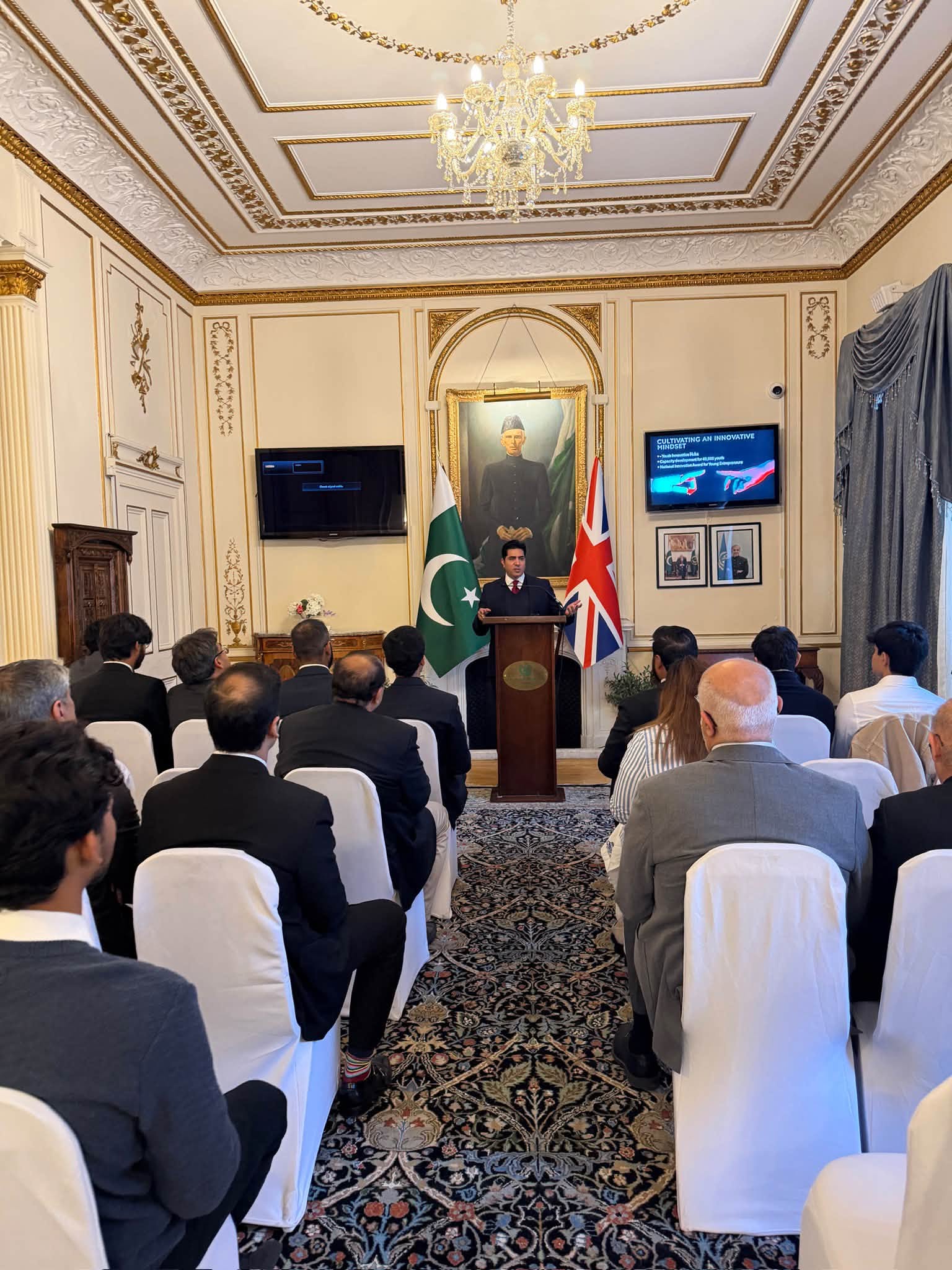
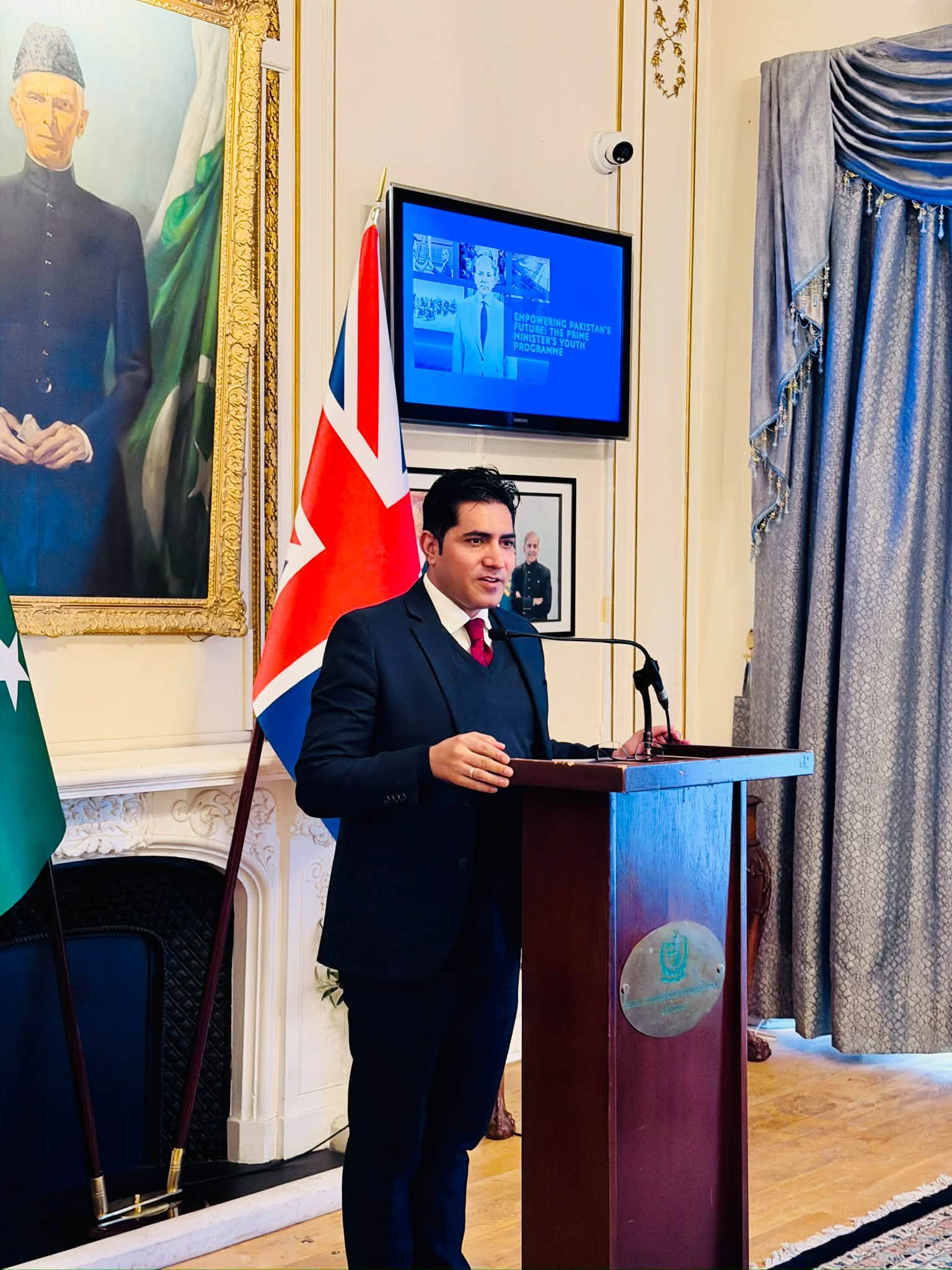
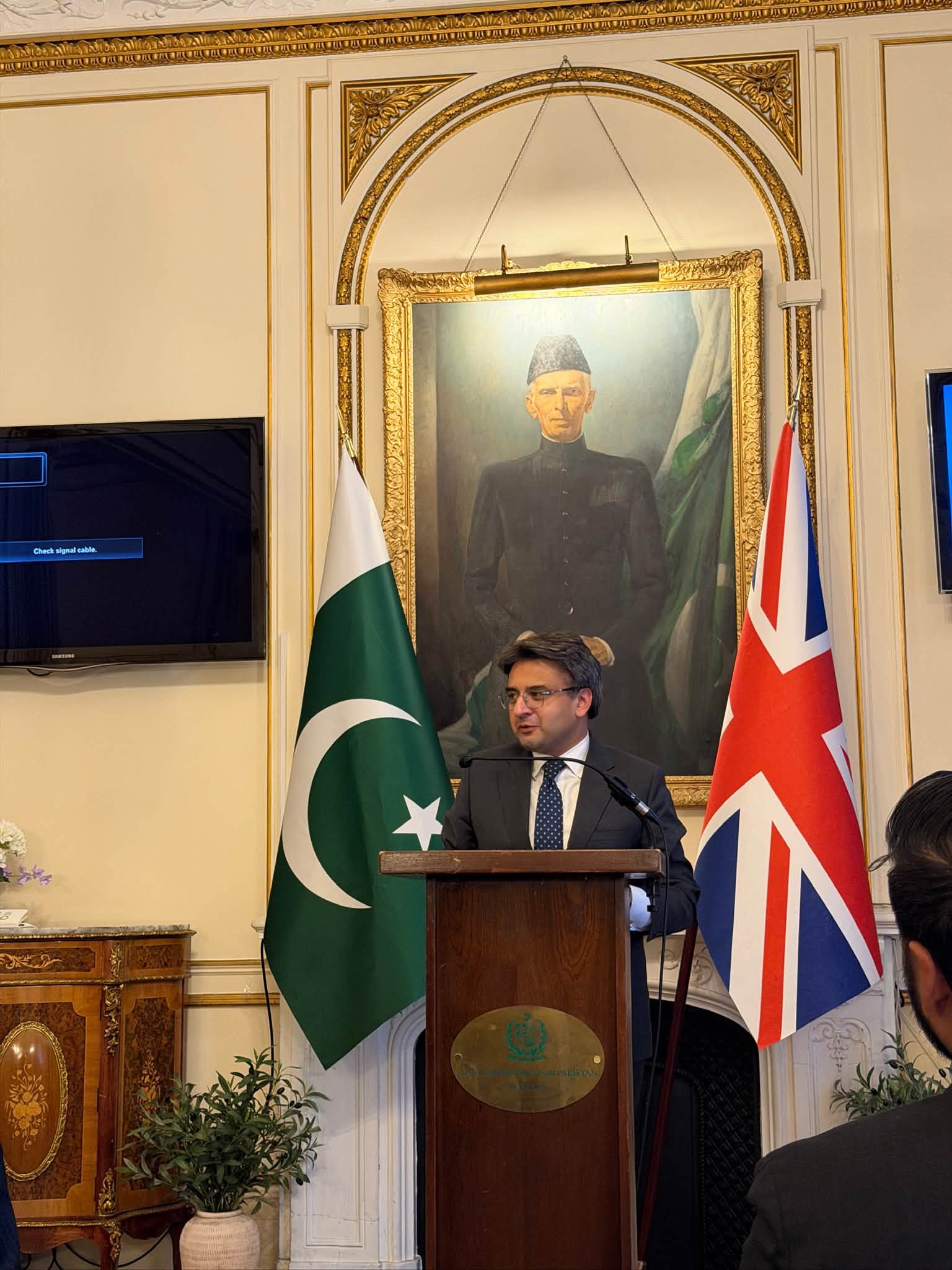
That gap was the focus of a Youth Engagement Session on the Prime Minister’s Youth Programme (PMYP) at the Pakistan High Commission in London, held under the theme International Linkages and Youth Development and reported by Daily Times in September 2026. Together with Maha Jamil, Special Representative for Women and Youth Development, I briefed Pakistani students and young community members on the Programme’s initiatives and on the routes through which diaspora youth can take part.
Key points
- Event: Youth Engagement Session on the Prime Minister’s Youth Programme
- Venue: Pakistan High Commission, London; participants welcomed by the Deputy High Commissioner
- Briefed by: Rizwan Anwar and Maha Jamil, Special Representatives to the Prime Minister’s Youth Programme
- Topics: skills development, education, international linkages and meaningful youth participation
Why diaspora youth matter
Countries such as India, Ireland and Israel have shown how a diaspora can accelerate development at home, not only through remittances but through mentoring, investment, knowledge transfer and professional networks. Pakistan’s diaspora is large and successful, yet its younger generation is rarely engaged as a partner in national development. Three assets stand out.
- Expertise. Young professionals abroad work at the frontier of fields Pakistan needs, from fintech and artificial intelligence to public health.
- Networks. They can open doors to universities, employers and investors that would otherwise be hard to reach.
- Perspective. As the session showed, they are often the most effective ambassadors for Pakistan in the societies where they live.
What we discussed
The session covered the opportunities available through the Programme and the ways young people abroad can connect with them: skills development, education and exchanges, entrepreneurship, and international linkages. Maha Jamil set out how diaspora youth, and young women in particular, can engage with PMYP initiatives. The Deputy High Commissioner welcomed the participants and acknowledged the Programme’s work in expanding opportunities in education, skills, employment and international cooperation.
Sessions like this matter because they turn an abstract national programme into concrete options for young people abroad: mentoring a start-up in Pakistan, volunteering, or helping build a university partnership. Capturing that interest systematically, rather than event by event, is the next step.
From goodwill to partnership
Goodwill is plentiful; structure is what is missing. The Programme’s wider diaspora agenda, including its 2026 partnership with the Overseas Pakistanis Global Foundation to connect overseas professionals with young Pakistanis through mentoring, internships and investment, points in the right direction. In my view, three steps would make the difference:
- A single entry point. Diaspora volunteers, mentors and investors need one clear place to register their interest and be matched with opportunities, rather than scattered contacts.
- Defined, time-limited roles. Busy professionals engage best with specific commitments: mentor one founder for six months, host one intern, deliver one masterclass.
- Institutional partnerships. The most durable links run between institutions, such as universities, professional bodies and incubators, not just individuals.
Conclusion
Pakistan’s youth agenda is usually discussed as a domestic challenge. The London session was a reminder that some of the most committed partners in meeting it live abroad. Engaging them systematically, with clear roles and institutional links, would add expertise, networks and investment that no budget line can buy. The young people in that room in London were ready to help. Our task is to make it easy for them.
Sources
- Daily Times, Building bridges, creating opportunities: PMYP youth engagement in UK, 20 September 2026.
- Office for National Statistics, Ethnic group, England and Wales: Census 2021.
- Associated Press of Pakistan, PMYP, OPGF join hands to empower youth, overseas Pakistanis, 16 July 2026.
Comments are closed