Youth Diplomacy · Pakistan and the United Kingdom
On the sidelines of UNESCO Digital Learning Week in Paris, Rizwan Anwar, Special Representative to the Prime Minister’s Youth Programme, met the United Kingdom’s Minister for Early Education to discuss digital learning, artificial intelligence and youth development.
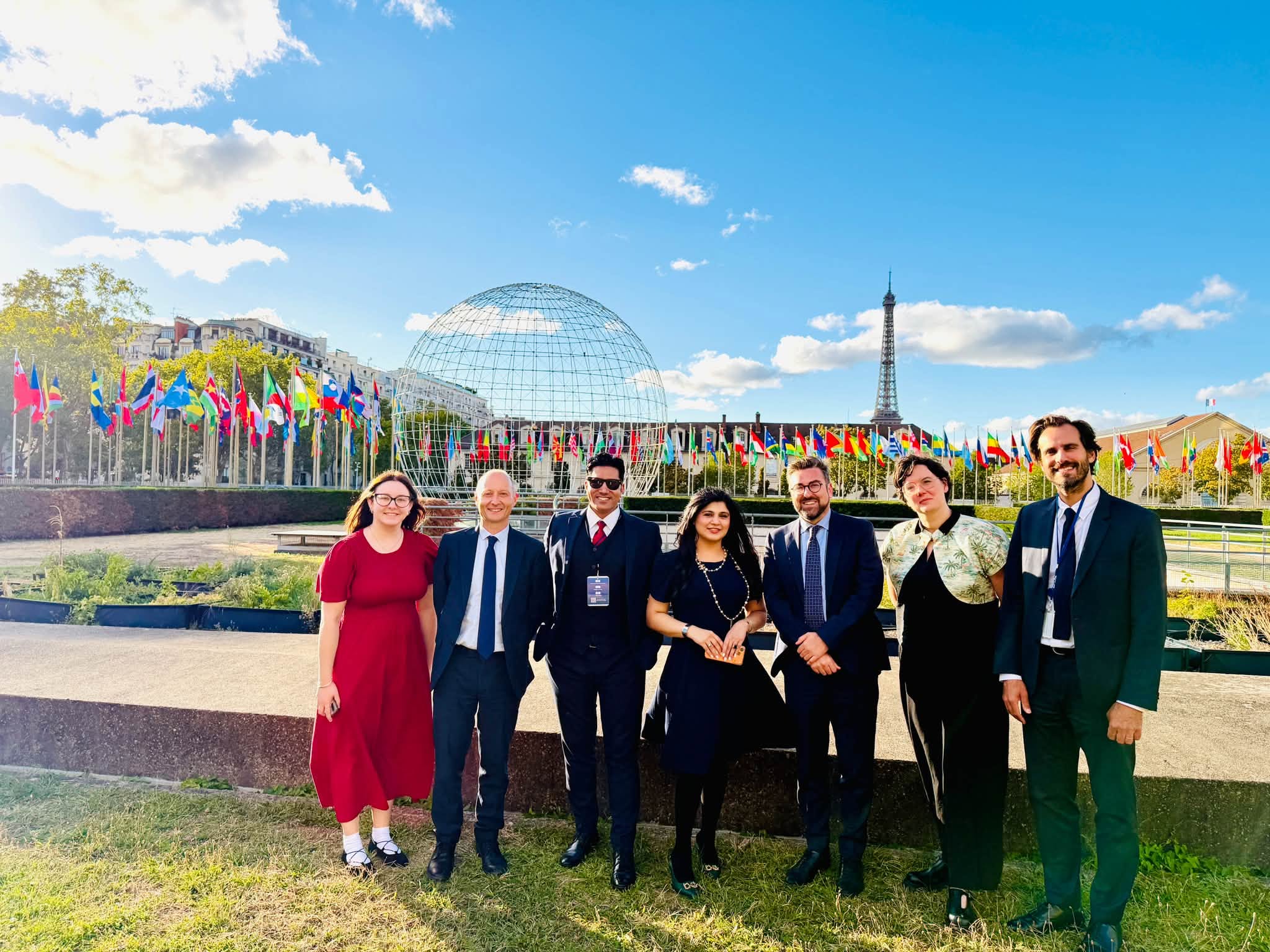
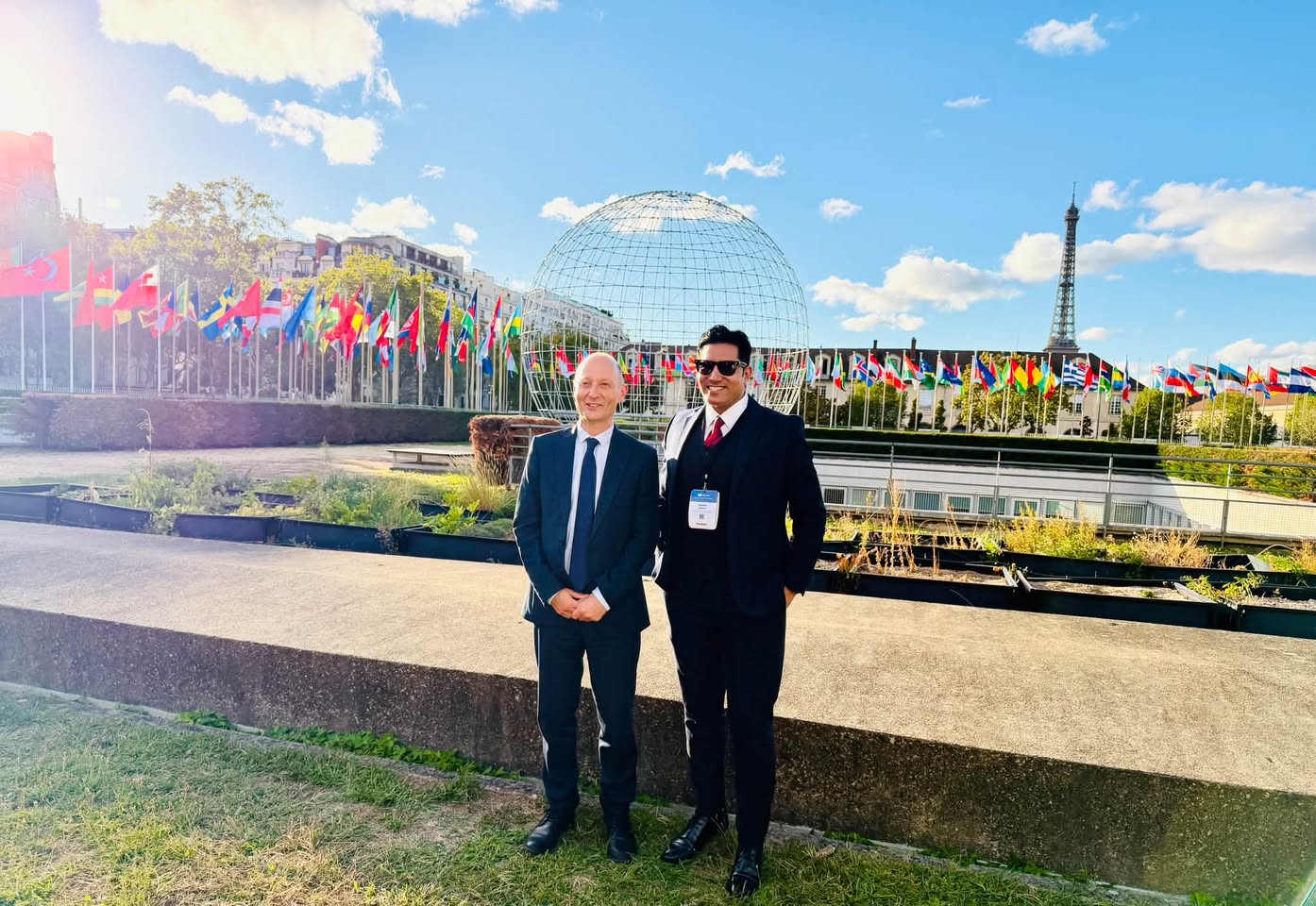
Digital Learning Week 2026, held at UNESCO Headquarters from 8 to 11 September under the theme Education in the Age of AI: Facts, Frictions, Frontiers, brought education ministers and delegations from around the world to Paris. Alongside the formal programme, I met Paul Waugh MP, Parliamentary Under-Secretary of State and Minister for Early Education at the UK’s Department for Education, together with members of the British delegation.
Our conversation covered digital learning, the use of artificial intelligence in classrooms, youth development, digital skills and international cooperation. As I said afterwards: “At a time when technology is reshaping education globally, international dialogue, knowledge exchange and youth empowerment are essential to building inclusive and future-ready societies.”
Key facts
- Occasion: UNESCO Digital Learning Week 2026, 8 to 11 September, UNESCO Headquarters, Paris
- Meeting: Rizwan Anwar with Paul Waugh MP, UK Minister for Early Education, and the British delegation
- Topics: digital learning, AI in education, youth development, digital skills, international cooperation
Why early learning belongs in a conversation about AI
Mr Waugh, the Labour and Co-operative MP for Rochdale and a former political journalist, was appointed to the Department for Education in July 2026. His brief covers early years education, including provision for children with special educational needs, childcare, the early years workforce and early communication skills.
That brief might seem distant from artificial intelligence. It is not. The foundations of digital competence, language, reasoning and curiosity, are laid long before a young person meets a laptop or an AI tool. Pakistan’s new National Adolescent and Youth Policy reflects the same insight by bringing everyone from age 10 to 29 into one framework and prioritising the return of out-of-school children to education. Countries that want an AI-ready workforce in 2040 need to invest in the children who are learning to read today.
A relationship worth deepening
The United Kingdom is home to one of the largest Pakistani communities outside Pakistan, and educational ties between the two countries run deep. Conversations like this one help connect Pakistan’s youth programmes with policy experience abroad, and they complement the Prime Minister’s Youth Programme’s engagement with young British Pakistanis in London. I was proud to represent Pakistan and the Programme in Paris and to contribute to a conversation that will shape the future of education.
From Pakistan to the world: connecting youth, education, technology and international cooperation.
Sources
- UK Government, Paul Waugh MP, ministerial profile.
- UNESCO, Digital Learning Week.
- The Express Tribune, Youth policy to unlock demographic dividend, 8 September 2026.
Comments are closed